Linking Instant Cash-Out Features with Progressive Loyalty Structures in Mobile Casino Environments
Parker Frank · Nov 8, 2026
Linking Instant Cash-Out Features with Progressive Loyalty Structures in Mobile Casino Environments
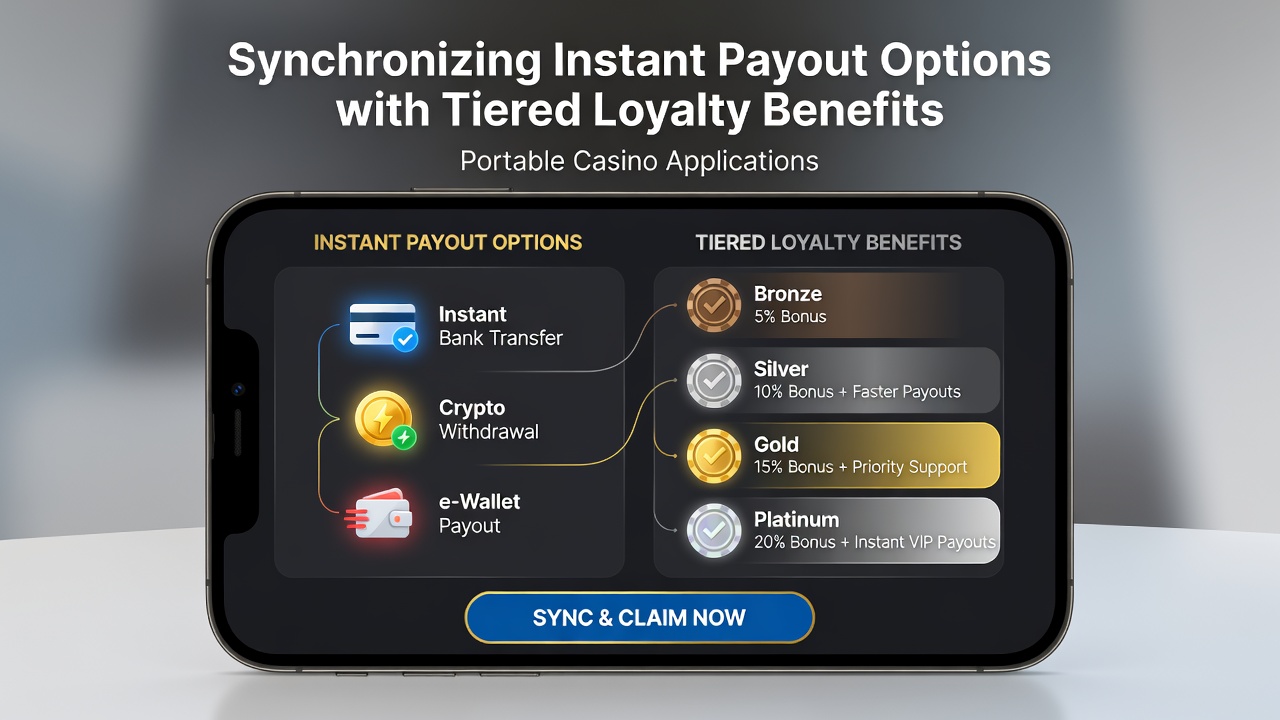
Portable casino applications have expanded rapidly since the mid-2010s, and developers now focus on integrating instant payout systems directly with tiered loyalty programs to streamline player retention, according to industry reports from multiple jurisdictions. These platforms allow users to access withdrawals through methods such as e-wallets and bank transfers while simultaneously accumulating points that unlock higher benefit levels, creating a synchronized framework that ties financial transactions to engagement metrics.
Core Components of Instant Payout Integration
Instant payout options typically rely on API connections between casino software and payment processors, enabling verification and transfer completion within minutes for eligible users. Developers synchronize these functions with loyalty tiers by embedding algorithms that adjust withdrawal speeds and fee structures based on a player's accumulated status points, and this approach draws from data collected across regulated markets in Europe and North America. Observers note that higher tiers often receive priority processing queues, where the system automatically routes requests through faster channels while lower tiers encounter standard verification delays.
Research from gaming technology firms indicates that such synchronization reduces user friction during cash-out sequences, since the loyalty database feeds real-time eligibility data into the payment module. For instance, a player reaching an intermediate tier might gain access to fee-free withdrawals up to a specified limit, whereas entry-level accounts retain standard processing times. This linkage operates through backend databases that update loyalty balances immediately after each qualifying deposit or wager, ensuring payout parameters reflect current status without manual intervention.
Tiered Loyalty Mechanics in Portable Formats
Tiered loyalty structures assign players to progressive levels based on criteria including total wager volume, session frequency, and account tenure, with each level granting escalating rewards such as enhanced cashback percentages and exclusive game access. In mobile environments, these tiers sync with payout options by modifying transaction parameters through conditional logic embedded in the application code. Data from European operators shows that players in top tiers experience accelerated approval for larger withdrawal amounts, while the system caps or delays requests from newer accounts to align with compliance protocols.
What's interesting here is how developers use event-driven triggers to update both loyalty points and payout permissions simultaneously, allowing a single wager to influence both reward progression and future cash-out eligibility. Portable applications leverage device-specific features like push notifications to alert users when tier thresholds are crossed, and these alerts often include direct links to the payout interface with updated terms applied. Studies from academic sources on digital gaming platforms reveal that this integration encourages continued play patterns, as users track progress toward benefits that directly affect withdrawal experiences.
Technical Synchronization Methods
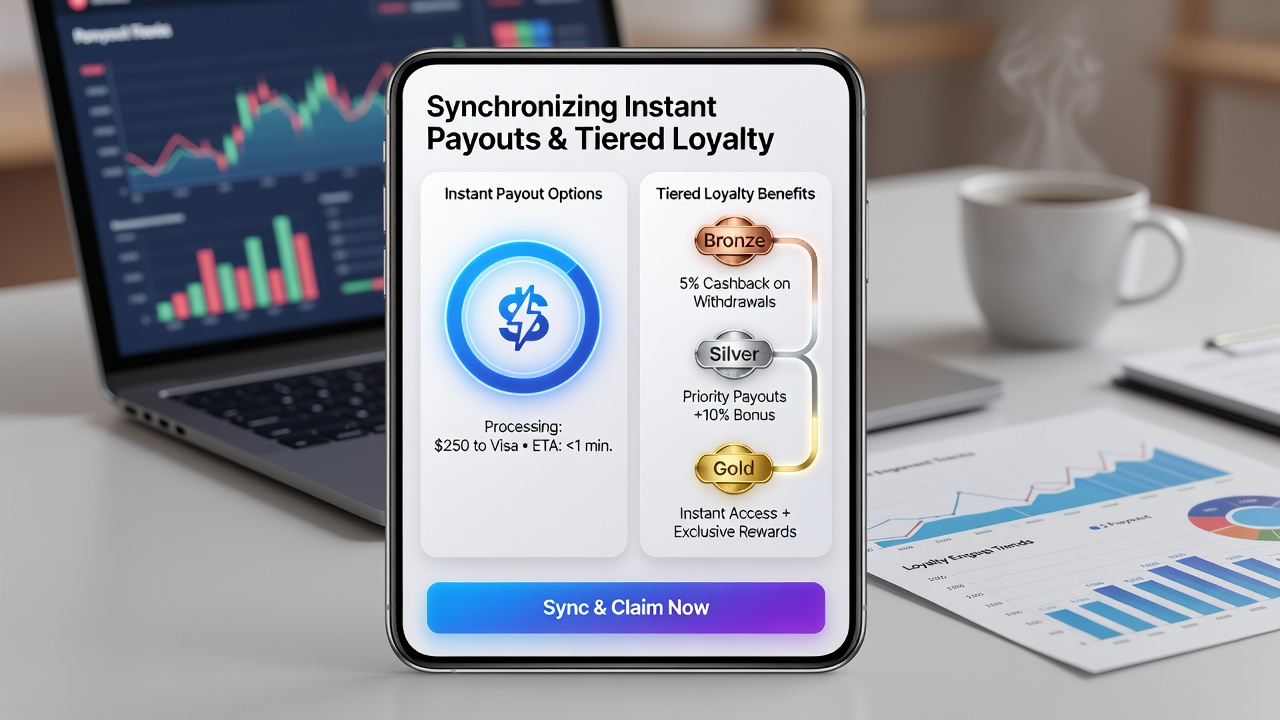
Backend systems employ middleware layers that connect loyalty engines with payment gateways, ensuring that tier status queries execute before payout authorization begins. This process incorporates cryptographic verification to maintain data integrity across mobile networks, and operators in regions governed by the Malta Gaming Authority have documented successful implementations where payout speeds scale proportionally with tier advancement. Programmers design these connections to handle high-volume concurrent requests, using caching mechanisms that store recent tier data locally on devices to minimize latency during withdrawal attempts.
November 2026 brought updates to several mobile platforms that refined these synchronization protocols, incorporating machine learning models to predict optimal payout windows based on historical loyalty activity. Such refinements allow the application to suggest withdrawal timings that coincide with tier benefit activations, creating a more cohesive user pathway from gameplay to cash access. Figures from international gaming associations highlight that synchronized systems have lowered support ticket volumes related to payout disputes in multiple jurisdictions outside the United Kingdom.
Regulatory Considerations Across Jurisdictions
Regulatory bodies in places like New Jersey and Australia require operators to maintain transparent records of how loyalty tiers influence payout processing, ensuring that all players receive equal baseline access while permitted enhancements remain clearly documented. These rules emphasize audit trails that log every instance where tier status alters transaction parameters, and compliance software now integrates directly with the same APIs handling instant payouts. Observers point out that portable applications must accommodate varying regional standards without fragmenting the core synchronization logic, which developers achieve through modular code that swaps regional rule sets dynamically.
Industry reports from research institutions indicate steady growth in the adoption of these integrated features, particularly as mobile traffic surpasses desktop usage in regulated markets. The synchronization extends to responsible gaming tools as well, where tier-based limits can automatically adjust payout caps for players who have set self-exclusion parameters through the loyalty interface.
Implementation Examples and Industry Data
One documented case involves a major operator that linked its loyalty dashboard to a multi-currency e-wallet system, resulting in tier-specific payout speed improvements tracked over several quarters. According to data compiled by gaming analytics providers, this setup correlated with higher retention rates among users who reached intermediate loyalty levels, since the visible connection between status and faster access motivated continued engagement. Another example from Canadian platforms shows how seasonal promotions temporarily boosted tier benefits for payouts, with the system reverting parameters automatically once the campaign concluded.
Those who have examined deployment logs note that testing phases for such integrations focus heavily on edge cases, including network interruptions and simultaneous tier upgrades during active withdrawal requests. These tests ensure that the loyalty database and payment processor remain in sync even under variable mobile conditions.
Conclusion
The coordination of instant payout mechanisms with tiered loyalty benefits in portable casino applications represents a technical evolution driven by data integration and regulatory compliance across diverse markets. As mobile platforms continue to evolve, the underlying synchronization frameworks adapt through iterative updates that balance speed, security, and player progression tracking, with evidence from multiple regions confirming their operational viability by late 2026.