Interconnected Rewards: How VIP Programs Bridge Slots, Table Games, and Mobile Security in Regulated Environments
Willa Schmid · Oct 25, 2026

Interconnected Rewards: How VIP Programs Bridge Slots, Table Games, and Mobile Security in Regulated Environments
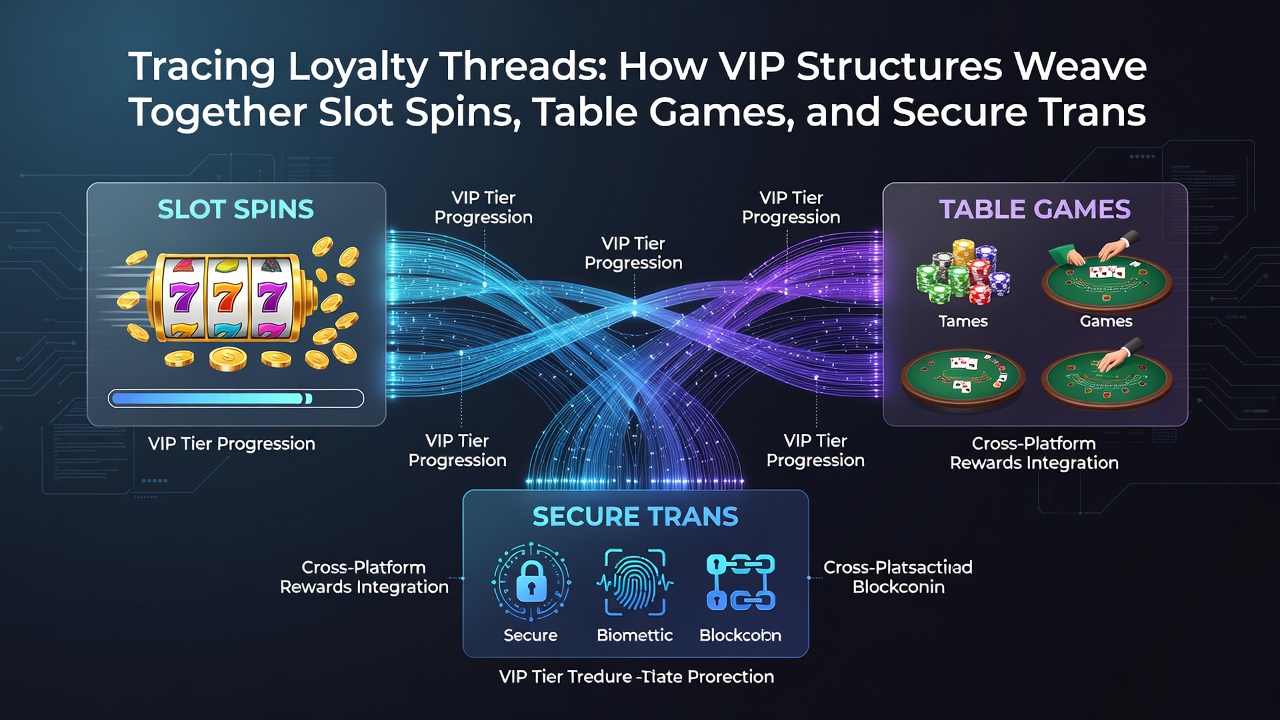
Regulated mobile platforms use layered VIP programs that track activity across slot spins and table games while routing all deposits and withdrawals through encrypted channels, and observers note that these systems create unified player profiles that adjust rewards in real time based on combined play volume. Data from multiple jurisdictions shows operators award points for both reel spins and card or wheel outcomes, then convert those points into tiered benefits that include faster transaction approvals and exclusive game access, while security protocols log every movement to maintain compliance records.
Core Mechanics of Point Accumulation Across Game Types
Slot activity contributes points at rates that vary by stake size and game contribution percentage, whereas table games such as blackjack, roulette, and baccarat add points through separate multipliers that reflect house edge differences, and players advance through bronze, silver, gold, and platinum tiers when cumulative totals reach predetermined thresholds. Research indicates many platforms calculate combined totals weekly so that high-volume table sessions can offset lower slot engagement, while mobile interfaces display live progress bars that update after each completed round or hand. Those who monitor industry reports find that operators adjust point formulas seasonally to balance revenue streams across verticals, yet the underlying data flow remains consistent because every spin and every bet passes through the same centralized loyalty engine.
Transaction Security Within Loyalty Ecosystems
Secure payment rails form the backbone that links game activity to reward delivery, and regulated operators encrypt card details, e-wallet identifiers, and bank transfers with protocols that exceed minimum standards set by regional authorities. When a player completes a deposit, the system instantly credits the loyalty account and flags the transaction for audit trails that regulators can review on demand, while withdrawal requests trigger additional verification steps that scale with tier level. Figures from licensing bodies reveal that platforms processing over ten million transactions monthly maintain separate ledgers for game results and financial movements so that any discrepancy triggers automatic alerts, and this separation helps preserve the integrity of VIP calculations even during peak mobile traffic periods.
Regional Regulatory Influences on Integrated Systems
Licensing frameworks in North America and parts of Europe require operators to demonstrate that loyalty data cannot be altered after recording, and the Nevada Gaming Control Board publishes technical standards that cover both game fairness and financial record-keeping for mobile products. In Australia, state-level oversight similarly demands transparent reporting of how bonus funds move between game categories and player accounts, while October 2026 updates to digital compliance checklists in several provinces have emphasized real-time API connections between game servers and payment processors. These rules ensure that VIP progression remains visible to oversight bodies without exposing individual player details beyond aggregate statistics, and operators respond by building dashboards that export formatted reports at scheduled intervals.
Mobile Interface Design and Real-Time Tracking
Application developers embed loyalty meters directly into game lobbies so that users see pending points after every spin or hand, and push notifications alert players when they near the next tier threshold or qualify for a limited-time table tournament. Backend systems reconcile mobile session data with central servers every few seconds to prevent lag in reward updates, while location services confirm that play occurs only within approved jurisdictions before points are awarded. Observers note that this continuous synchronization reduces disputes because players receive immediate confirmation of both game outcomes and loyalty credits, and the same infrastructure supports responsible gaming tools that cap daily spend across slots and tables simultaneously.
Case Examples from Licensed Operators
One major European platform introduced a unified VIP path in early 2026 that merged slot and live-dealer point pools after regulatory approval, resulting in a documented rise in cross-category play according to internal metrics shared with industry analysts. Another operator in a Canadian province reported that players reaching platinum status completed 40 percent more secure transactions per month than lower-tier users, attributing the increase to expedited withdrawal processing tied directly to loyalty level. Such examples illustrate how the technical threads between spins, tables, and payments operate in practice without requiring separate accounts for each activity type.
Conclusion
Integrated VIP structures continue to evolve as regulators refine data standards and mobile technology advances encryption methods, yet the core principle remains that points earned from diverse games feed into a single secure ledger that governs both rewards and transaction handling. This architecture allows operators to maintain compliance while delivering consistent player experiences across regulated environments, and ongoing technical audits ensure the connections between slots, tables, and financial systems stay reliable and transparent.